
Some people love matcha for its earthy flavor, while others are drawn to its calming green color. Whatever the reason, the matcha latte has become an increasingly popular drink—not only at coffee shops but also as a homemade beverage option.
Interestingly, making your own matcha latte isn’t as hard as you might think. With the right ingredients, you can make a creamy drink with an authentic matcha flavor and adjust the sweetness to your liking.
Before we get into the recipe, let’s learn more about matcha—its benefits and tips for making a delicious matcha latte at home.
01
Getting to Know Matcha and Its Brief History
Matcha is a green tea powder made by grinding the leaves of Camelliasinensis—the scientific name for the tea plant. The leaves are ground into a fine powder to make matcha. Unlike regular green tea, which is brewed and then strained to remove the leaves, matcha is consumed in powder form, dissolved in water or other ingredients.
Matcha has a long history in Japanese culture and is closely associated with the tradition of tea drinking. Its unique production process gives matcha a flavor and aroma that differ from those of regular green tea.
As modern beverage trends continue to evolve, matcha is no longer enjoyed solely in its traditional form. Matcha is now featured in a variety of creations, such as matcha lattes, matcha ice cream, matcha desserts, and a wide range of trendy drinks.
Fresh
Cold drinks are refreshing.
Chewy
Jelly offers a unique chewing experience.
Colorful
The jelly colors give it a more playful look.
02
Why Is Matcha Latte So Popular?
The combination of matcha and milk creates a creamier, smoother flavor. The earthy character— matcha’s distinctive flavor, which evokes notes of soil, leaves, and fresh grass— and its slight bitterness become more balanced when combined with milk.
For a lighter, more refreshing option, jelly can be paired with fruit tea. The fruity flavor adds a fresh touch and is perfect for cold drinks.
If you want a creamier flavor, you can also mix the jelly with milk or a milk-based beverage. The smooth texture of the drink will provide a nice contrast to the chewy jelly.
There are also options such as smoothies, yogurt drinks, or syrup-based beverages that can be adapted into jelly-based drinks. By changing the base and the type of jelly, a single beverage concept can yield a wide variety of menu items.
03
Choose Jelly Based on the Drink's Character
Not all jellies provide the same experience. The type of jelly used can affect the texture and overall character of the drink.
Jelly with a springy texture is perfect for consumers who enjoy a chewy sensation. Meanwhile, crystal jelly or konjac jelly offers a different texture.
Drinks with a minimalist look might work well with neutral-colored jelly, while drinks meant to look fun can use more playful colors. Try it yourself in the glass below.
04
Ideas for Ice Jelly Combinations to Try
If you want to make your own jelly ice or are looking for menu inspiration for your business, there are many combinations to explore. Try out each idea, then see the results in a glass.
Fruit Tea + Jelly
The combination of fruit tea and jelly is a simple way to create a refreshing drink. A fruit-flavored tea base gives it a light taste, while the jelly adds texture with every sip.
Milk Tea + Jelly
For a creamier flavor, milk tea is a great choice. Add jelly for extra texture to create a more satisfying drink.
Mango + Jelly
For a creamier flavor, milk tea is a great choice. Add jelly for extra texture to create a more satisfying drink.
Strawberry + Jelly
Strawberries add a familiar, fruity flavor that pairs well with other ingredients. Add jelly to make the drink feel more playful and visually appealing.
Coconut-Inspired Jelly Drink
For a more tropical twist, coconut flavor can be combined with jelly and cold drinks. Additional fruit or sauce can also be added to enhance the flavor.
05
Jelly as Menu Inspiration for the Food and Beverage Industry
For those in the beverage business, jelly ice offers exciting potential because its basic concept is quite flexible. Select one item to read the details.
FLEXIBLE
One concept, many variations
IDENTITY
Jelly defines the identity of a beverage
TRENDS
Keeping up with flavor trends
06
Make Jelly Ice More Appealing by Adding Flavors
Jelly can certainly be a key ingredient in a drink, but that doesn’t mean the creativity has to stop there. With the right combination, jelly doesn’t just add texture—it becomes part of a more complete flavor profile.
TEXTURE
Jelly
Jelly adds a chewy texture as the main element of the drink.
SENSATION
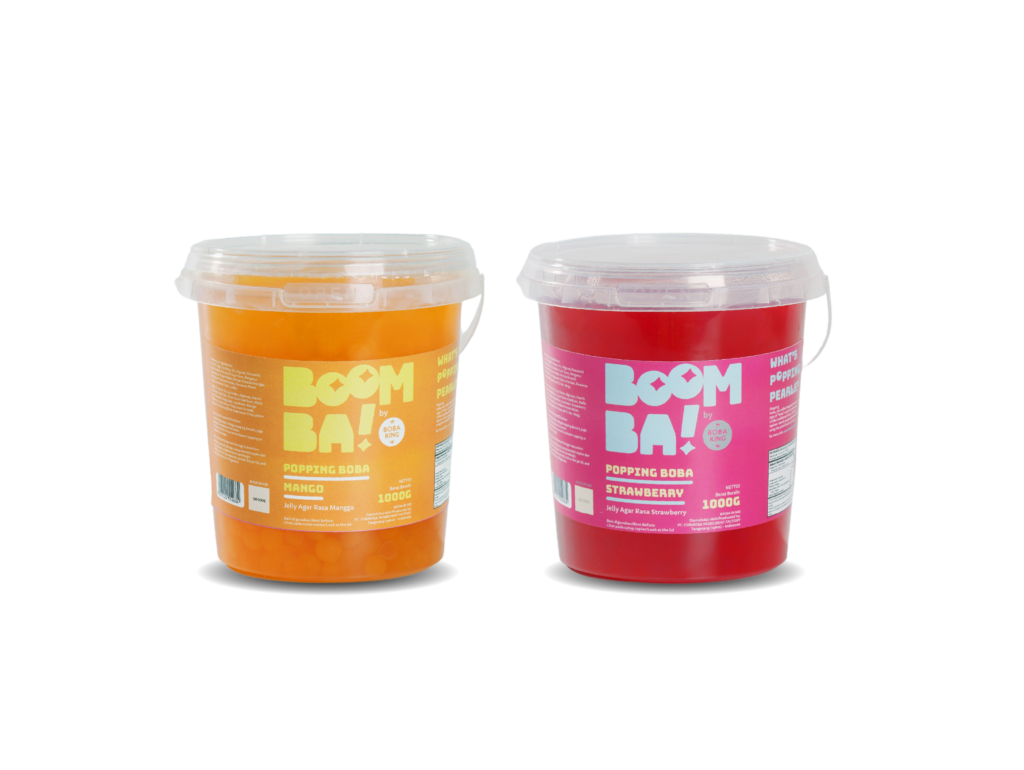
Popping Boba
The popping boba offers a different sensation with every sip.
FRUIT CHARACTERISTICS
Puree
Puree can be used as a base for beverages. Its higher fruit content helps give a fruity flavor to a variety of beverage creations.
A TOUCH OF FRUIT
Fruit Sauce
Fruit sauce is a great choice for recipes that call for an extra touch of fruit flavor, including certain desserts or beverages.
FRUIT CHARACTERISTICS
Puree
Puree can be used as a base for beverages. Its higher fruit content helps give a fruity flavor to a variety of beverage creations.
Baking for Creative Jelly Exploration
Bobaking offers a wide variety of toppings and ingredients for beverages and desserts. This selection allows cafés, restaurants, beverage businesses, and dessert businesses to develop menus tailored to their respective concepts.
From a Simple Drink to a Memorable Dish
Jelly drinks prove that an appealing beverage doesn’t always require a complicated process. With a simple combination of a cold drink and jelly, you can create a unique experience.
The key is to find a balance between flavor, texture, color, and appearance. The jelly provides a chewy texture, the beverage base provides the main flavor profile, while additional ingredients such as fruit puree or sauce can enrich the overall creation.
Ultimately, the appeal of ice jelly lies not just in the jelly itself. Rather, the opportunity to keep experimenting with flavors and textures is what makes it a concept that never gets boring.

